Professional Basics

Savory egg custard

COOKING INGREDIENTS

Professional Basics

FREE

Ingredients

<Amount>
  • egg

    Three

  • sea bream

    6 slices

  • shrimp

    6 tails

  • Chicken breast

    One bottle

  • Dried shiitake mushrooms

    Three

  • ginkgo

    12 pieces

  • Namafu (wheat gluten)

    1/2 piece

  • Thread Mitsuba

    1/3 bundle

  • Yuzu citrus

    Appropriate amount

seasoning
  • Dashi broth

    600cc

  • salt

    1 teaspoon

  • Usukuchi light soy sauce

    5cc

  • Mirin

    5cc

Dried shiitake mushrooms simmered in sweet sauce
  • Soaked in broth

  • Koikuchi Dark soy sauce

    Appropriate amount

  • Tamari soy sauce

    Appropriate amount

  • Mirin

    Appropriate amount

  • sugar

    Appropriate amount

[For those who want to know the golden ratio of seasonings]

COMMENT

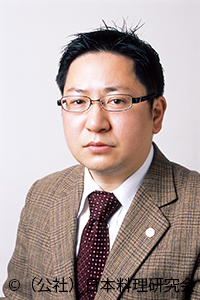
This time, we learned about "steamed foods" from Mirai Hiratsuka, technical director (Hattori Nutrition College). We will focus on "chawanmushi."

  1. comment

  2. The bubbles that form when you mix and strain the eggs are unattractive, so don't leave them as they are. They will disappear easily if you quickly apply a flame from a burner or something similar. If you take too long here, the egg base made from the beaten eggs and dashi will sink and become difficult to solidify, so be careful. If you steam it for about 2 minutes on high heat, the surface will turn white, so at that point, switch to low heat. This is a dish that you can't leave unattended once you start making it, so it's important to pay attention to the passage of time as you cook it. Also, opening the lid of the steamer a little will allow the eggs to loosen a little, making them easier to melt in your mouth. There are a few things to be careful of when making steamed dishes. First of all, once you start steaming, you can't start over in the middle of the process, so be sure to stay nearby and watch the heat until it's done. Also, the ingredients you put in the base should be fresh, as they will trap the fishy smell along with the aroma. Also, it's recommended to use ingredients that are not too oily or smelly.
    In my case, I started making chawanmushi in my first year at the restaurant. Chawanmushi is a dish that is especially popular in the coming cold season, and I think that adding one of these dishes to a meal will add a touch of luxury. It takes a lot of time and effort to prepare, but Cost is not very high, so it is a great affordable dish.

How to make Chawanmushi

How to make Chawanmushi

  1. ①Soak dried shiitake mushrooms in water from the day before, then boil them in dashi stock. When the stems are soft, add sugar, and when the dashi stock is reduced by half, add Koikuchi dark soy sauce. When the amount is reduced, add tamari soy sauce and mirin, cool, and cut.

  2. ② Shell the ginkgo nuts, boil them, peel off the skin, and then place them in cold water.

  3. ③ Fillet the sea bream, cut it diagonally, sprinkle with salt and grill it to reduce the fishy smell.

  4. ④ Remove the tendons from the chicken breast and cut it into bite-sized pieces. Wash it with Koikuchi dark soy sauce and sake (not included in the recipe).

  5. ⑤ Remove the intestine from the shrimp and peel off all the shells.

  6. ⑥ Cut the gluten, mitsuba, and yuzu to bite size pieces.

  7. ⑦ Bring the soup stock to a boil, add seasonings and let it cool.

  8. 8. Crack the eggs into a bowl and beat them, add the stock and mix well, then strain through a colander.

  9. 9. Place all ingredients except mitsuba and yuzu in a bowl, pour in the egg mixture, and allow the bubbles to disappear.

  10. 10. Place in a steamer that has plenty of steam rising.

  11. ⑪Steam over high heat for about 2 minutes, and when the surface turns white, reduce the heat to low and steam for about 15 minutes to prevent any small holes from forming.

  12. 12. Once the steam has finished, place the mitsuba on top and leave with the lid of the steamer slightly open for 2-3 minutes.

  13. ⑬When it's done, top with yuzu.

[For those who want to check the seasoning mixture before cooking]

平塚未来

  • Hattori Nutrition College
  • Professor