COOKING INGREDIENTS

COMMENT

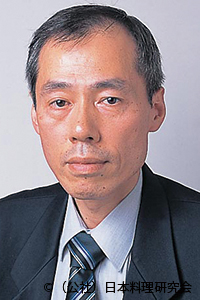
今回は、「食事」について、清水繁光師範(紀尾井町吉祥)に学んだ。「零余子ご飯」を取り上げる。「赤飯」を取り上げる。

プロの基本
COOKING INGREDIENTS
今回は、「食事」について、清水繁光師範(紀尾井町吉祥)に学んだ。「零余子ご飯」を取り上げる。「赤飯」を取り上げる。
江戸期に赤米から現在の物に変化
江戸期に赤米から現在の物に変化
赤飯はその昔、赤米を蒸したものだったようです。江戸時代には赤米から現在の米を食べるように変わったそうですが、赤色のご飯を供える風習だけは残り、その後は白米を小豆などで色づけしたものが赤飯として広まったと言われています。
米は水分を吸わせておかないと芯が残ってふっくら炊けないので、提供する前日または当日の朝に研いで笊に上げておき、炊く30分くらい前に調味した小豆の煮汁に漬け込みます。そして、水洗いした糯米と小豆を炊いてもどした汁を混ぜますが、そのまま混ぜると小豆で一杯になってしまうので、量を調節してください。
また、小豆をもどす際にあまりコトコトやってしまうと、皮が破れて祝いの席に出せなくなります。中火弱ぐらいの火力でコトコトコトと小豆が動くような感じがいいですね。煮汁が温かいと米に小豆の色がつきにくいので、一度冷ましてから漬けます。蒸す時は真ん中の部分を開けてドーナツ型にすると蒸気の対流がよくなり、早めに綺麗に蒸し上がります。そして、蒸している途中で味つけした煮汁をかけることで、蒸し上がりがふっくらします。食事は日本人の主食である米を使うことが多いので、産地にこだわりたい。うちでは数種の米をブレンドしていますが、味噌と同じで米もブレンドした方が食感や粘りなどが良くなり、美味しくなります。炊飯に使う水も美味しいものが必須ですね。浄水器を通した水の方が臭みもないので、うちでは専用の浄水器を使っています。
食事はコース料理の最後に出されるもので、お客様の印象に強く残ります。料理が次々と出て来て、最後にひと呼吸おいて出されるので、口の中の味を変えるという感じで新たな気持ちで食べていただきます。そこで良い印象を持ってもらえると、リピーターとして帰ってきていただけると思いますから、おしんこまで手を抜かずに提供したいですね。
赤飯の作り方
赤飯の作り方
①粳米は洗って研いでおく。

②小豆は一晩水に浸けておく。後、火にかけて15分から20分くらい煮る。その際、小豆の皮が破れないように注意する。冷まして、色鮮やかにする。
③小豆と煮汁を分け、煮汁に薄口醤油、塩を加えて味つけし、昆布を加えて糯米を浸け、色づけする。
④笊に上げてさらしに広げ、小豆を混ぜて蒸す。

⑤途中、先ほどの調味した小豆の煮汁を3回振り掛けながら、蒸す。

【作る前に調味料の配合を確認したい方へ】