Fukuju (Michelin two stars)
Katsuhiro Onodera
Shrimp-shaped taro simmered to absorb the broth
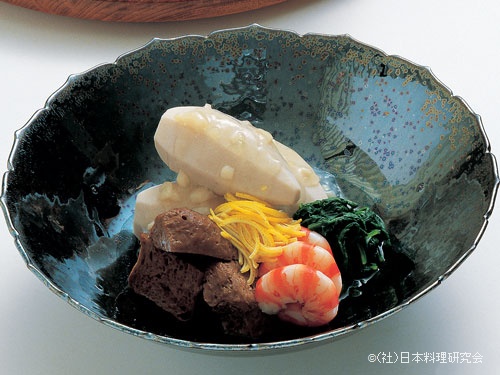
For the simmered assortment's ebi-imo simmered to absorb the broth, if you don't have rice-rinsing water on hand, parboil it in rice bran instead…
Fukuju (Michelin two stars)
Katsuhiro Onodera
For the simmered assortment's ebi-imo simmered to absorb the broth, if you don't have rice-rinsing water on hand, parboil it in rice bran instead…
Fukuju (Michelin two stars)
Katsuhiro Onodera
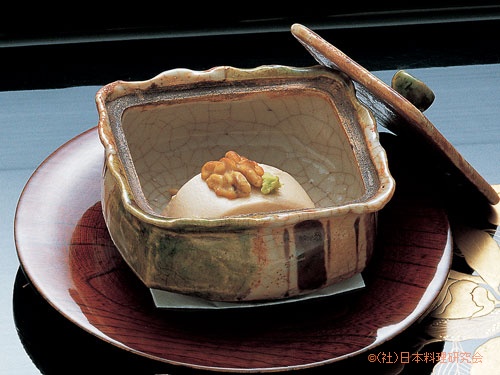
The walnut tofu served in a lidded bowl is a variation on a milk-and-kudzu confection from the Mineoka region of Chiba. On a double-ring gas burner…

Fukuju (Michelin two stars)
Katsuhiro Onodera
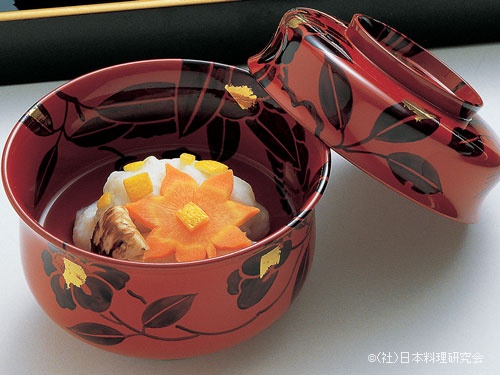
As for the swimming crab shinjo in the simmered-soup bowl course, to keep a handmade feel we mostly use portions scooped by hand at the restaurant…

Fukuju (Michelin two stars)
Katsuhiro Onodera
For the grilled course, I wanted a way of presenting it with more impact than other restaurants, so instead of an ordinary konro brazier I use an…

Fukuju (Michelin two stars)
Katsuhiro Onodera
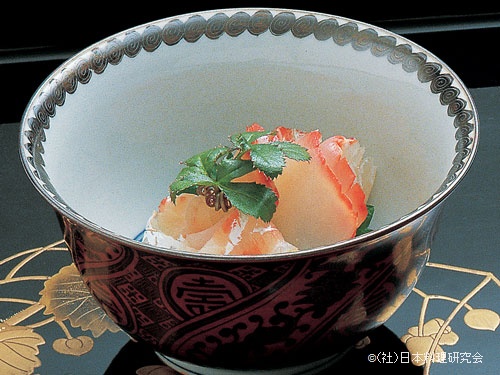
For the sashimi course, November at our restaurant usually means more fugu (pufferfish), but for guests who don't care for fugu we serve sea bream…

Fukuju (Michelin two stars)
Katsuhiro Onodera
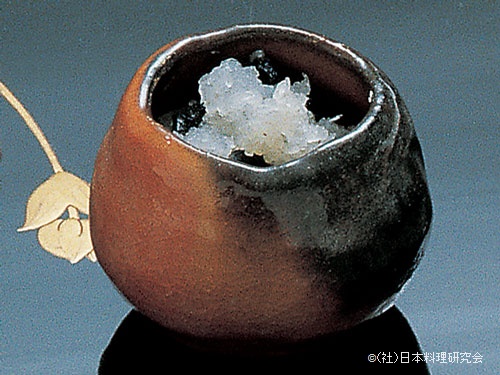
Tsubo-tsubo, a small lidded vessel, is a piece placed beside the sashimi course in tea gatherings, at occasions such as kuchikiri — the opening of a…

Fukuju (Michelin two stars)
Katsuhiro Onodera
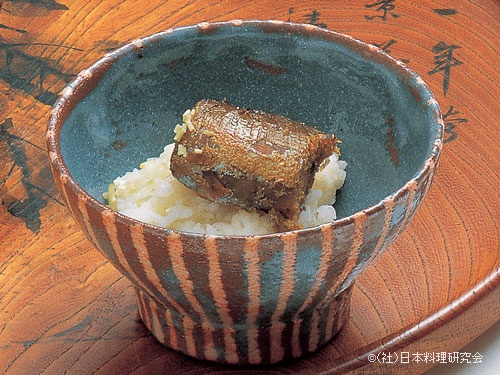
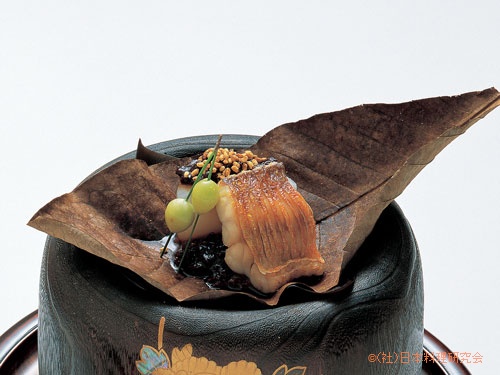
For the rice course's ayu ochazuke, the roe-bearing ayu preserved in sake lees (komochi-ayu no kasu-zuke) is actually more delicious once it's been…

Fukuju (Michelin two stars)
Katsuhiro Onodera
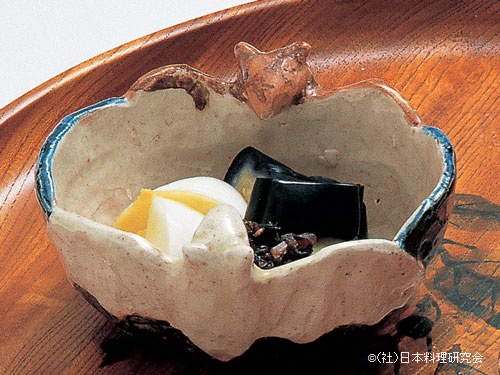
At my restaurant, once all the courses have been served, I bring out pickles (kō-no-mono) so guests understand that the meal is coming next. For…