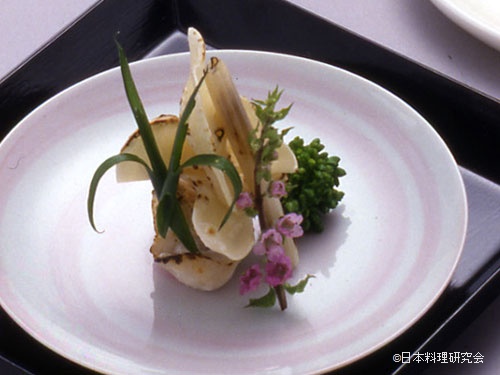
Read the article: Miso-grilled Spanish mackerel with butterbur sprouts
Atsushi Takahashi
Atsushi Takahashi
Atsushi Takahashi
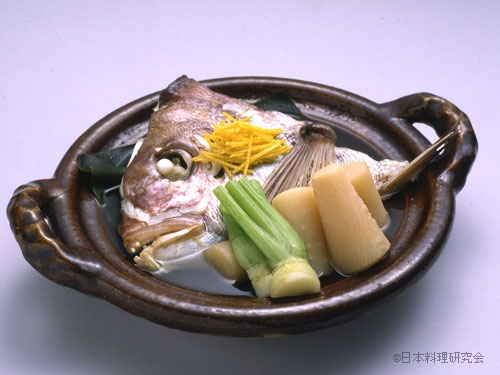
Kiichiro Nonaga
It belongs to a northern (Siberian) lineage, is white in color, and has a long root. It sits between a daikon and a turnip — with less moisture than…
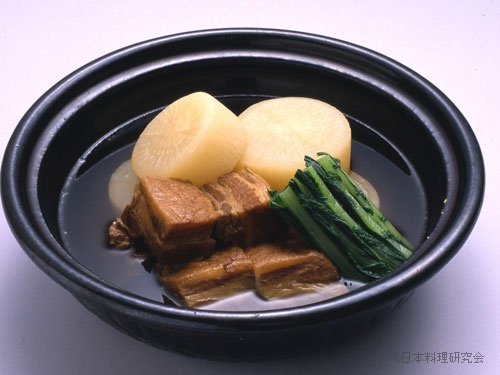
Kiichiro Nonaga
Pure white in color, cylindrical in shape with the same thickness from the top of the root to the tip, and well-fleshed — these are its defining…
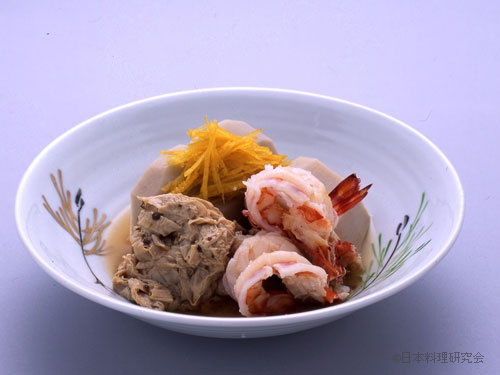
Ginza Asami
Kenji Asami
Daichūji imo is a taro grown at Daichūji temple in Numazu; it's considerably larger than ebi-imo taro, and it's packed solid all the way through…
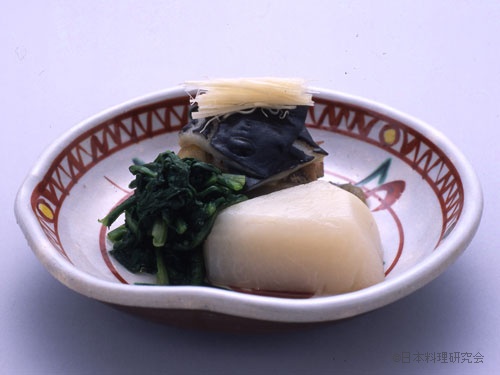
Ginza Asami
Kenji Asami
I was taught a preparation method for softshell turtle that removes any unwanted odor, and at customers' request I also serve it in place of the soup…
Ginza Asami
Kenji Asami
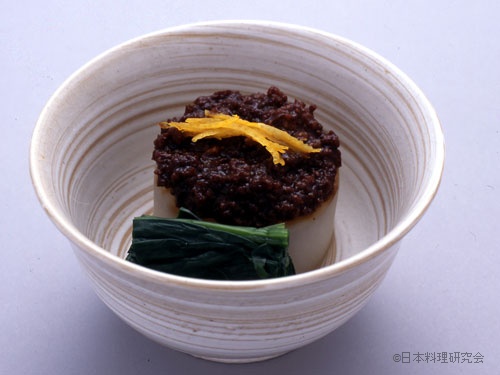
With furofuki daikon, you eat the daikon together with quail miso, but I finish the daikon itself lightly while grinding the quail miso firmly so its…
Yoshiaki Enomoto
Yoshiaki Enomoto
Tamotsu Nishi
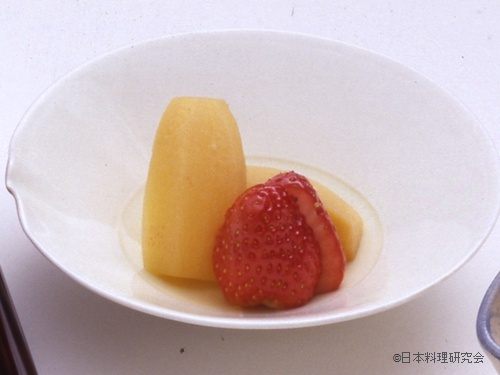
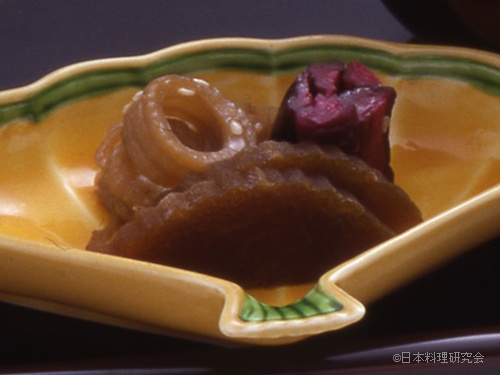
For the fruit course's persimmon compote, Saijo persimmons are sent from my hometown, but since they fully ripen within 3-4 days, I preserve them by…
Tamotsu Nishi
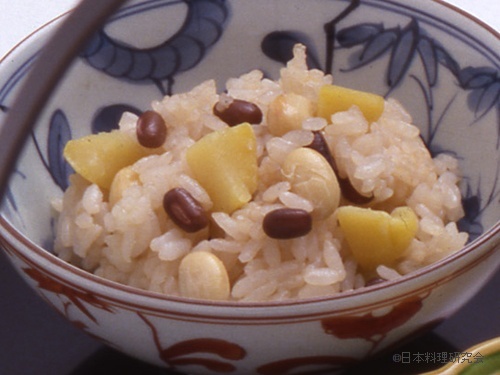
I think it's best to serve the sunomono course's vinegar-marinated grilled oysters with spring greens while still gently warm. It's enjoyed together…
Tamotsu Nishi
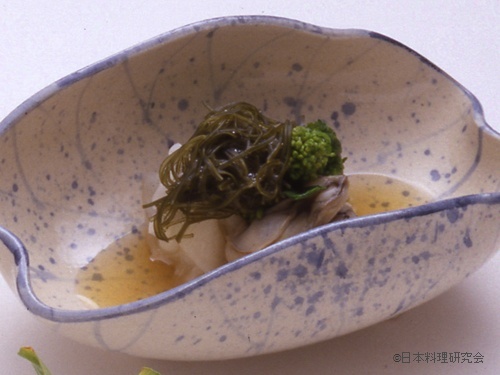
The narachameshi in the rice course is, in short, multigrain tea rice. At the Rokugō ferry crossing in Kawasaki, narachameshi, goby dishes, and clam…
Tamotsu Nishi
Tamotsu Nishi
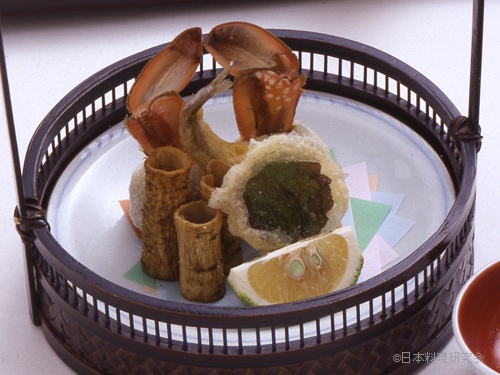
For the swimming crab kōsen-age in the fried course (aburamono), any type of crab will work. I based it on the image of a potato croquette, but in…
Tamotsu Nishi
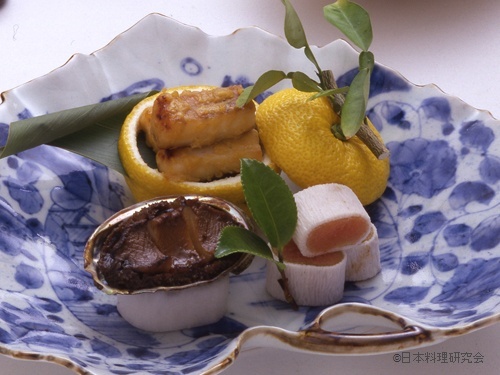
Regarding the yuzu miso used in the sawara yuzuka-yaki in the fried course: normally you'd grate yuzu on a grater and sprinkle it into the miso to…
Showing 24 of 4,919