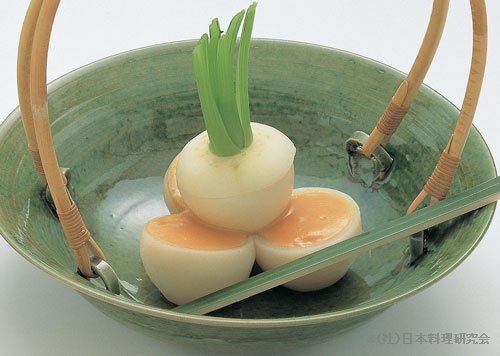
Read the article: Sea Bream Wrapped in Turnip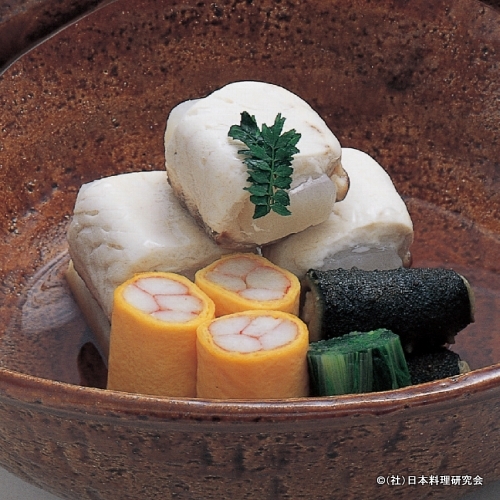
Isenishiki
Kaname Watanabe
Sea Bream Wrapped in Turnip
For the simmered course, the sea bream and turnip is made by butterflying open the sea bream and using it to wrap Tennoji turnip, then simmering it…
Simmered / warm / steamed / combination-simmered
Isenishiki
Kaname Watanabe
For the simmered course, the sea bream and turnip is made by butterflying open the sea bream and using it to wrap Tennoji turnip, then simmering it…
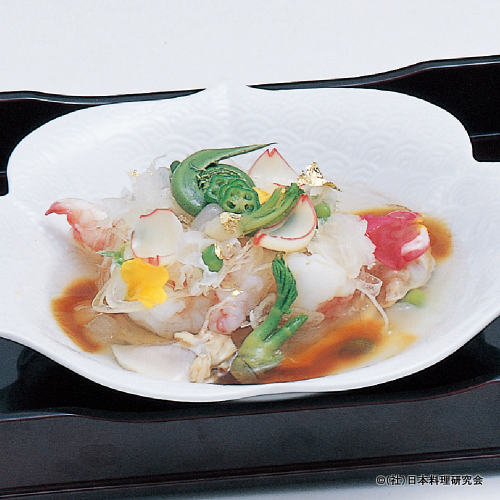
Tatsuo Kato
For the simmered course, the deep-sea shrimp has a softer texture than Ise lobster and a delicious sweetness, so I've been fond of using it lately. I…
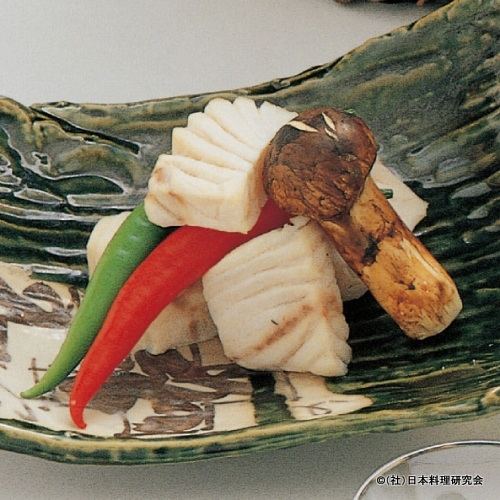
Takaaki Ariake
Takaaki Nakamura
Toru Kimura
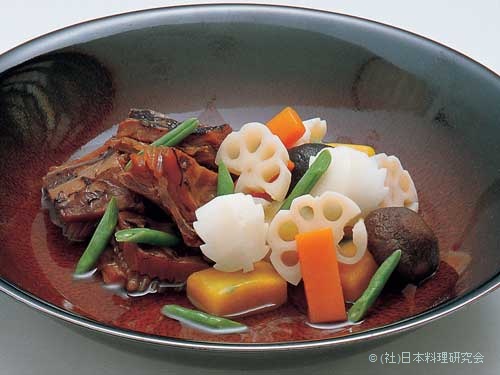
For the simmered course's ray and seven-color vegetables simmered together, rather than reconstituting the dried ray at room temperature, I place it…
Kiyoshi Matsuoka
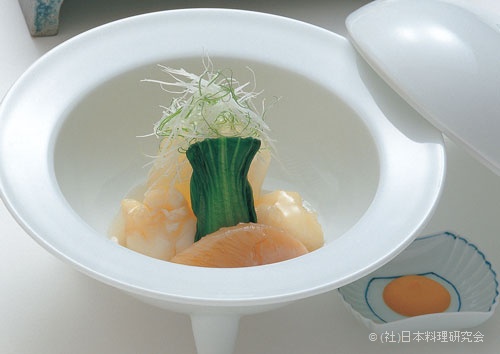
For the simmered course's spring daikon soup, we went for a slightly Chinese-inspired presentation. Today the daikon is cut into somewhat large…
Tetsuya Motoi
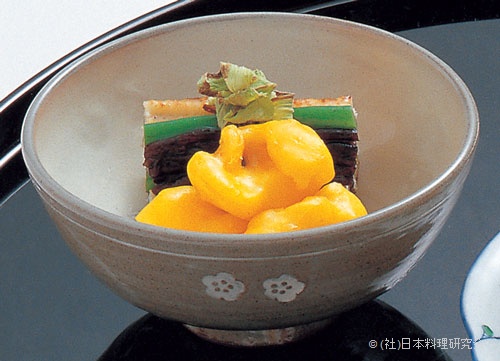
For the okoze yamabuki-ni, the okoze is coated in egg yolk; while it doesn't go as far as a full wax-finish grill, I think it comes out beautifully…
Toshiaki Omori
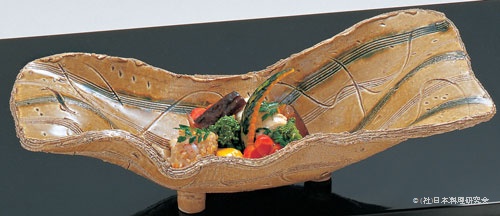
I plated the simmered course boldly, in the style of an autumnal arrangement, as though gathered together by the wind. For the Ise lobster steamed in…
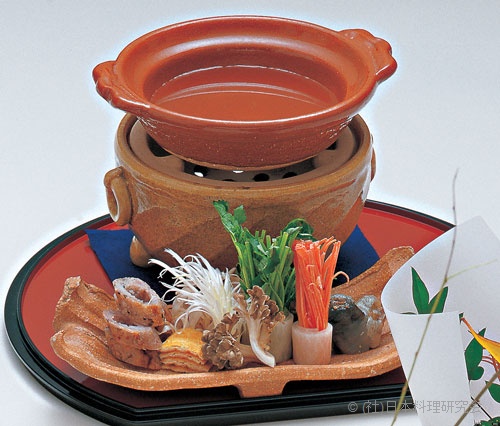
Kappo Yamabiko
Eiji Shindo
For the hot course's sixteen-grain kiritanpo, I used the sixteen-grain rice blend that has recently become popular for its health benefits. It's…
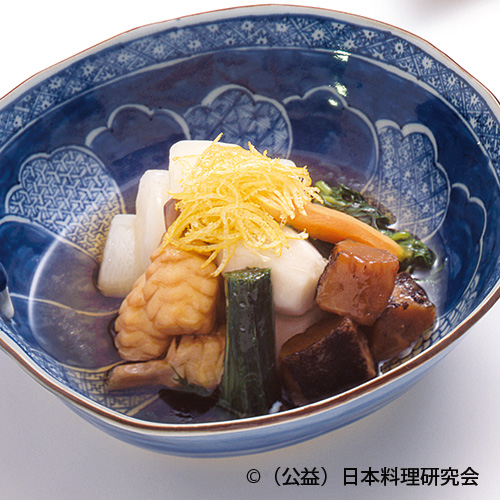
Hidekatsu Shoji
This is the bowl course. For the bōdara inaka-ni: the dried cod is soaked in rice-rinsing water for about two days to rehydrate it, cleaned, wrapped…
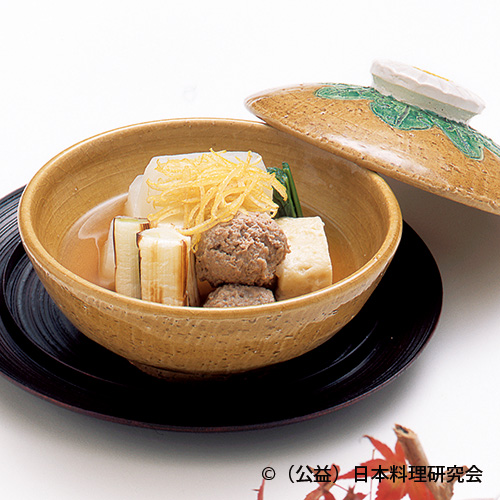
Mitsuo Ito
This is the simmered course. It's somewhat like a hot pot, but the seasoning is on the lighter side, so I'd suggest enjoying it with plenty of yuzu…
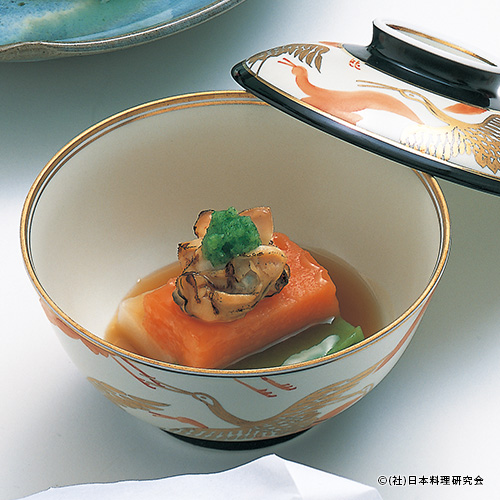
Tadahito Yumoto
The simmered dish is a three-color tofu of carrot, buckwheat flour, and matcha. For the carrot, I used one that had been laid in snow so its…
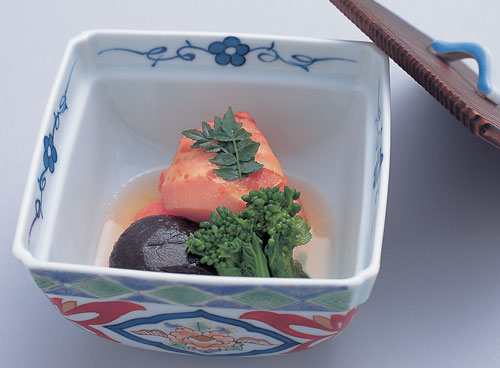
Ginza Kasuga
Takao Shimada
This time, since it's a simmered dish course, I used bamboo shoot and wild mountain greens, both spring ingredients. At our restaurant we buy many of…
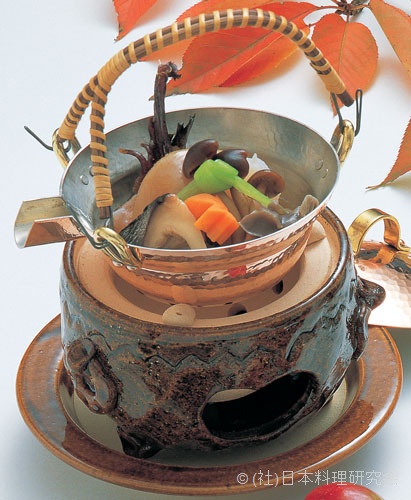
Present Resort Karuizawa
Takeharu Kadowaki
For the tabletop hot-pot course, since Karuizawa turns quite cold by November, I designed it to be enjoyed warming up over a small individual pot…
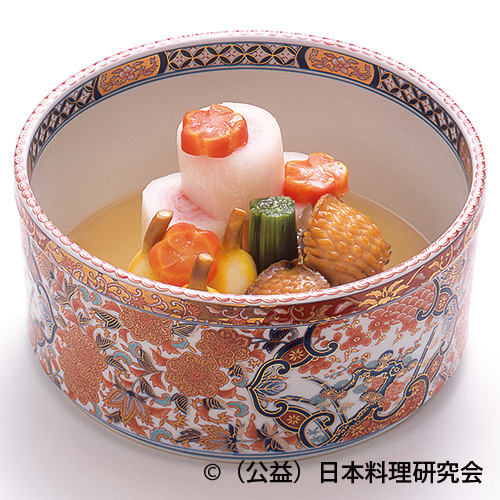
Yoshinari Watanabe
The simmered dish is daikon and shrimp tree-ring roll. The daikon is peeled into a thin continuous sheet, spread with shrimp paste, and rolled around…
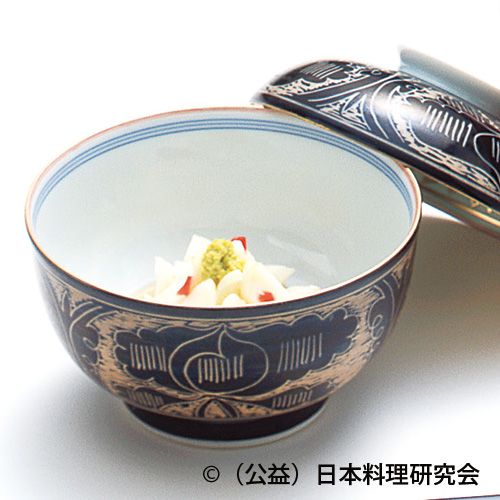
Kazuhide Maeda
Finally, the warm dish course is lily bulb kanoko-mushi. Ground fish paste is combined with foie gras stuffed inside; the lily bulb is carved neatly…
Hiroshi Kuji
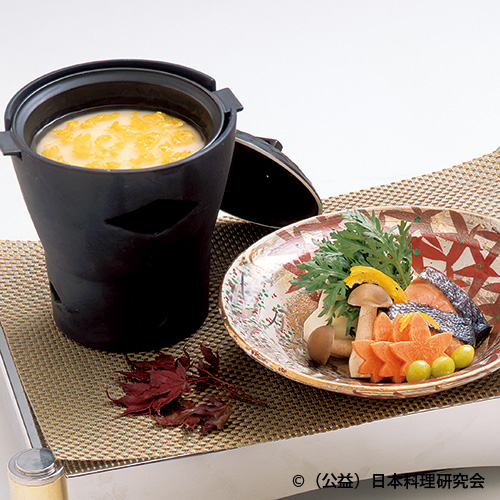
As a substitute for the simmered course, since it's November, I made it into a hot pot: salmon and vegetable individual hot pot, sake-lees style. Raw…
Akira Sakamoto
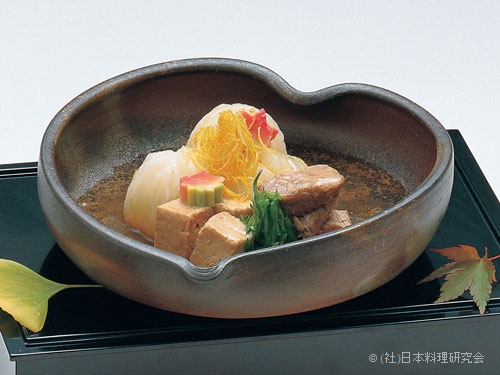
For the simmered course's simmered tuna and turnip: turnip is normally simmered in a dashi made with chicken fat, but this time I used tuna back fat…
Toshihiro Kimizuka
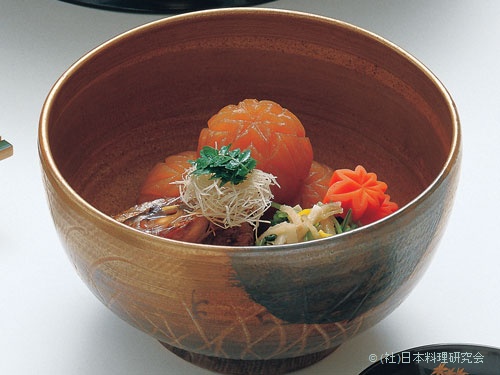
What I'd really recommend from the takiawase is the mibuna, chrysanthemum petal, and salted whale skin in a light, broth-based simmered dish. It's…
Masahiro Yaguchi
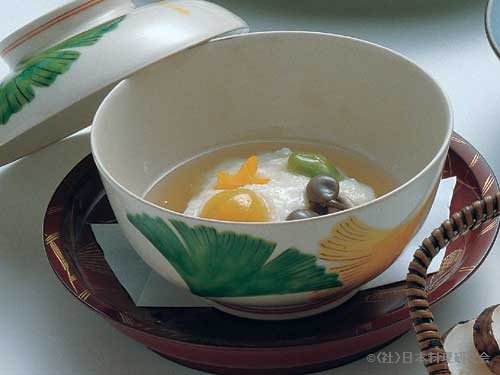
Based on the menu we normally serve our guests, since it's October we added a playful touch by styling the appetizer course as a whole to evoke the…
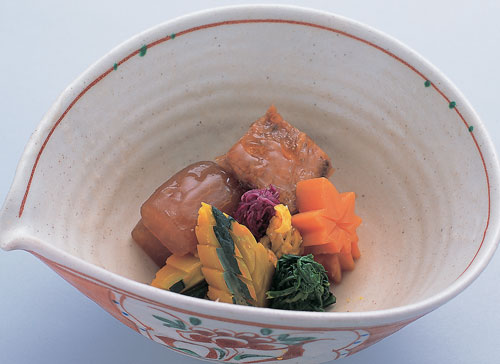
Hidekatsu Shoji
With the theme of the season turning from autumn into winter, we made three recommended dishes using ingredients of the moment. As the weather is…
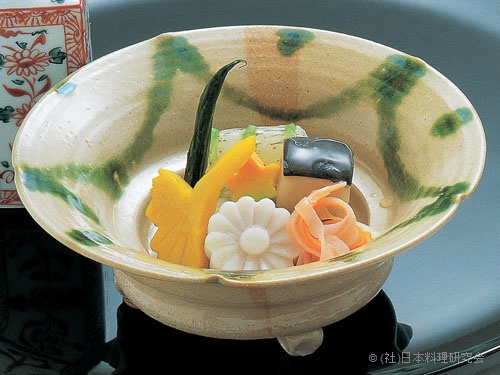
Kioicho Kissho
Shigemitsu Shimizu
For the mochi-kujira — a fatty, gelatinous cut of whale prized for its chewy texture — and daikon, we used minke whale. Because the skin peels away…
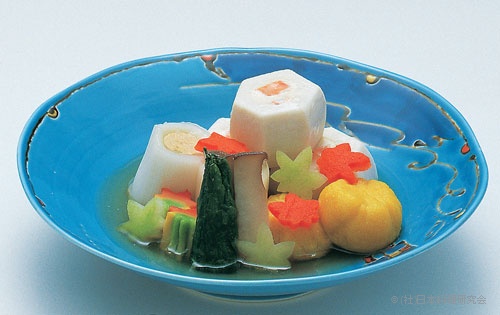
Mizuho Securities Ginza Club
Seiji Komatsu
For the simmered-dish course's softshell turtle wrapped in millet fu, I boil the millet fu, cut it small, press it through a sieve, and combine it…
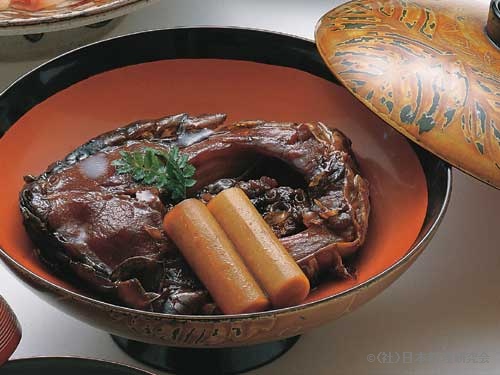
Sadaji Sato
This time, wanting to convey Yamagata's local ingredients to the whole country, I expressed Yamagata's four seasons — spring, summer, autumn, and…
Showing 24 of 528